
Skip the $500 Gene Panel. Ask for This $20 Blood Test First.
Before you pay for a fancy methylation panel, there is one cheap, boring, decades-old blood test that tells you whether any of this matters for your body. Most doctors will run it if you ask. Most never do.
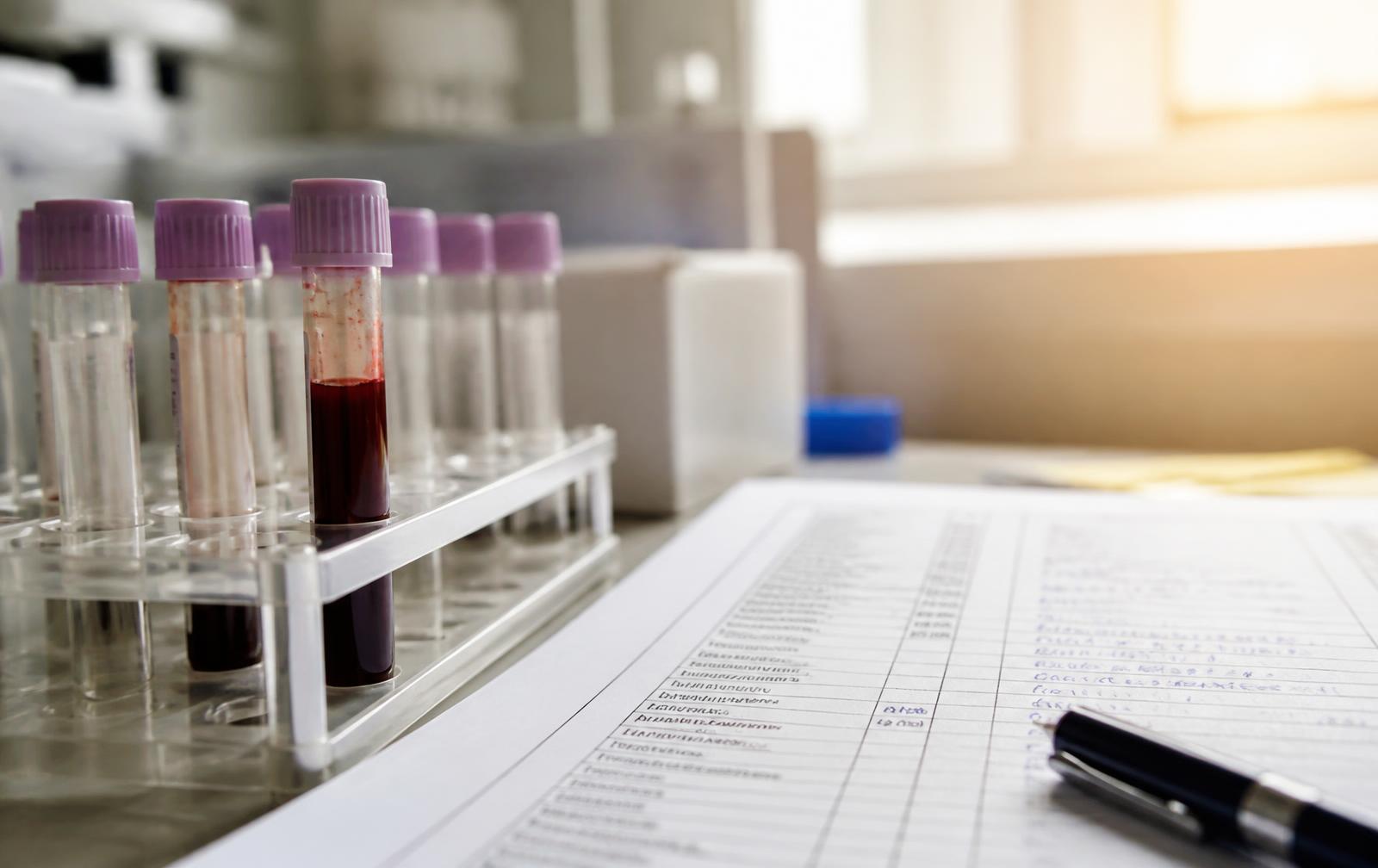
There is a version of the health-testing conversation that nobody selling a kit wants to have with you. It goes like this: before you spend $300, $500, or $1,200 on a genetic methylation panel, ask your doctor for a single blood test that has been around since the 1970s and usually costs less than a decent dinner.
The test is homocysteine. And it does something no gene panel can do. A gene panel tells you what your body might struggle with. Homocysteine tells you what your body is actually doing right now.
What homocysteine is, in plain English
Homocysteine is an amino acid your body produces as a byproduct of normal metabolism. Under healthy conditions, your body clears it out continuously using folate, vitamin B12, and vitamin B6 as the cleanup crew.
When that cleanup runs slowly — because you are low on those B vitamins, because your kidneys are struggling, because of certain medications, or because of a gene variant like the one in our MTHFR explainer — homocysteine builds up in your blood.
Elevated homocysteine has been studied for decades as a marker associated with cardiovascular risk, stroke risk, and cognitive decline. It is not a diagnosis. It is a flag.
Why it beats a gene test as a first step
Think of it like your car. A gene panel is the factory spec sheet telling you the engine design is a little less efficient than the model next to it. Homocysteine is the check engine light telling you what is happening on the road today.
If your homocysteine is comfortably in range, then whatever your genes say, your body is clearing homocysteine fine. The expensive panel would not change what you do next.
If it is elevated, you have found something real and measurable — and it is usually correctable with food and inexpensive vitamins, not a subscription.
What the numbers mean
- Under about 10 micromoles per liter — generally considered a healthy range by most labs.
- Roughly 10 to 15 — mildly elevated. Worth a conversation and a re-test.
- Above 15 — meaningfully elevated. This is where your doctor should be looking at B12, folate, kidney function, and thyroid.
Reference ranges differ by lab and rise slightly with age, so read your own report, not the internet. And homocysteine should be drawn fasting, because a big protein meal beforehand can nudge it.
What raises it besides genetics
This is the part the gene-panel pitch tends to skip. Common drivers of elevated homocysteine include low B12 — which is very common after 50 because stomach acid production drops and absorption falls with it — low folate, low B6, hypothyroidism, reduced kidney function, heavy alcohol use, smoking, and certain drugs including metformin and some acid reducers.
Notice how many of those are ordinary and fixable. That is the point.
How to ask for it without a fight
You do not need a special clinic. At your next physical, say this: "I would like homocysteine, vitamin B12, and folate added to my bloodwork." That is it. Most primary care doctors will run it. If yours will not, direct-to-consumer labs will draw it for roughly $20 to $60 without a doctor order in most states.
Get it drawn fasting, in the morning, alongside your usual lipid panel so you are not making an extra trip.
If it comes back high
Do not panic and do not immediately buy the $58 bottle. The sequence that actually makes sense:
- Check B12 and folate levels. If either is low, fix that first — that alone resolves a large share of elevated results.
- Look at thyroid and kidney function with your doctor.
- Add real food sources: leafy greens, beans, lentils, eggs, fish, liver if you are brave.
- Re-test in about three months. A number that moves is a number that was telling you something.
- Only then, if it is still stubborn, is a methylation or MTHFR panel worth the money — because now it might actually change your dosing.
The uncomfortable part
An entire industry has been built on selling you step five first. Test kits, personalized supplement stacks, monthly memberships. Some of it is genuinely useful for the right person. Almost none of it is the right first move.
We wrote about the pricing side of this in our breakdown of what a methylation test actually costs, and we reviewed the most-hyped version of it in our honest look at Gary Brecka's 10X test. Read those if you are on the fence.
But if you only do one thing this month, do this one. Ask for the homocysteine test. It is cheap, it is boring, and it is the number that actually tells you whether the rest of this conversation applies to you.
This article is general information for people 55 and older, not medical advice. Talk to your own physician before starting or stopping any supplement or test.
Share a line
Pass this one along
Pick a line, save the card, and send it to whoever needs to read it.
Your next step
Questions about your own retirement?
Talk it through with a licensed advisor on our team. Ask your questions, get straight answers, and leave with a clear place to start. No cost, no obligation, nothing sold on the call.
Run your own numbers
The Let’s Start tool
Prefer to try it yourself first? It’s a calculator that sets a retirement income target and shows how much savings could support it.
Open the Let’s Start →Advisory and insurance services are provided by licensed professionals; availability varies by state.
The Conversation
No comments yet. Tell us where we got it right — or where we're dead wrong.
Comments are for members — it keeps the spam out and the conversation honest.
Create a free account