
Stability Is Not a Plan: Grading a Year-Two Rebuild
A former personnel director's honest read on year two — what the Geno Smith trade actually fixes, what it does not, and the 2027 draft capital that could define this franchise for a decade.
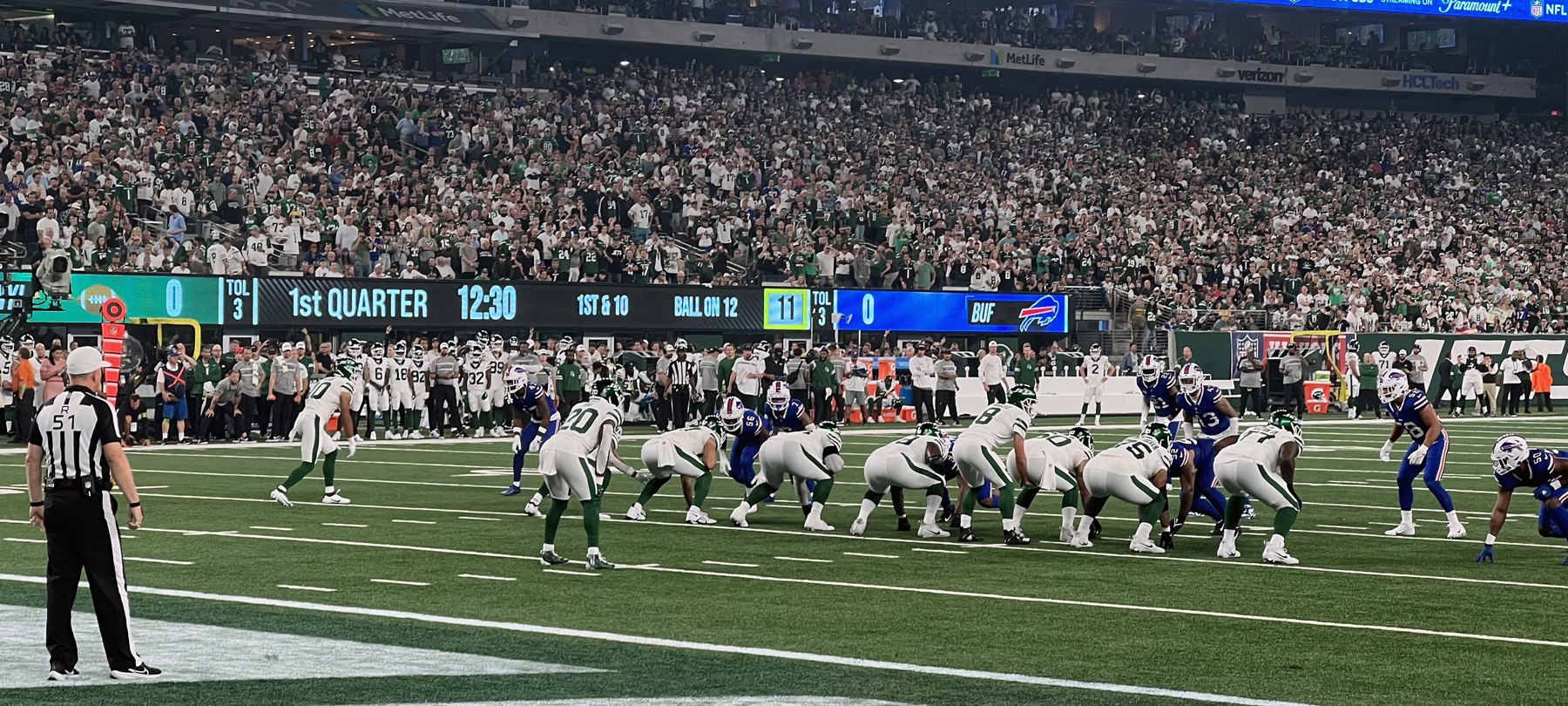
Let us start with the number that matters: 3-14, with seven losses to open the season and five to close it. That is not bad luck. That is a roster and a coaching staff that were not built to compete on Sundays.
To Aaron Glenn's credit, the response was not denial. He rebuilt half his staff, brought in Frank Reich to run the offense, and took over defensive play-calling himself. That is a coach willing to be accountable. Now I want to look at whether the roster moves actually match that urgency, the way I would walk it in a Tuesday morning personnel meeting with nobody in the room interested in being flattered.
What the Geno Smith Trade Really Buys You
Trading for Geno Smith solves a real problem. This team started three different quarterbacks last season, the fourth time in five years they have had that kind of instability. A veteran who can operate an offense and get the ball to Garrett Wilson on schedule is worth something real.
But I want to be clear about what this move is and is not. It is a bridge, not a foundation. Smith stabilizes a room. He does not solve the multi-year quarterback question this franchise still has to answer.
The Defense Has to Show Up, Not Just Talk About It
This defense finished second-to-last in the league in points allowed and dead last in takeaways a year ago. Those are not close-but-not-quite numbers. Those are bottom-of-the-league numbers across the board.
Adding Minkah Fitzpatrick and Demario Davis brings real professional leadership into that room, and that matters. But leadership does not replace a cornerback. Trading Sauce Gardner mid-season left a hole at the position that has not been convincingly filled, and more than one outlet has correctly flagged the cornerback room as this roster's lowest floor heading into the season. Glenn calling the defense himself raises the accountability. It does not manufacture a CB1 out of thin air.
COACH'S NOTE: A veteran quarterback buys you competitive games. It does not buy you a competitive defense. Those are two separate rebuilding projects happening at the same time, and only one of them looks solved right now.
The Trenches Are Still a Work in Progress
Losing both starting guards, John Simpson and Alijah Vera-Tucker, in free agency left real questions on the interior offensive line that have not been answered. On the other side, trading Quinnen Williams left a hole at defensive tackle this roster still needs to address with more than depth signings.
Armand Membou and Olu Fashanu give this staff a legitimate long-term answer at the edges of that line. That part of the rebuild is genuinely ahead of schedule. The interior, on both sides of the ball, is not.
The Real Asset Here Is 2027
This is the part of the conversation that should excite people more than it does. Because of the Sauce Gardner and Quinnen Williams trades, this front office is set up to hold three first-round picks in a 2027 class already being talked about as one of the most quarterback-rich in years. Very few rebuilding teams get three cracks at the top of a loaded first round in the same year.
- Ellis Robinson IV, CB, Georgia — a legitimate long-term answer at the cornerback spot this defense has lacked since the Gardner trade.
- Justin Scott, DT, Miami — an interior defensive lineman capable of replacing the disruptive presence lost when Quinnen Williams was traded.
- Dante Moore, QB, Oregon (or a comparable top passer) — the long-term successor conversation Geno Smith's arrival was always meant to buy time for, not end.
- Cam Coleman, WR, Texas — a legitimate second option who could finally take pressure off Garrett Wilson.
None of that helps in September. But it means the front office has real leverage to fix this roster's two most persistent holes, cornerback and the long-term quarterback plan, without overpaying in free agency to do it.
The Bottom Line
This is a coaching staff that responded to a disastrous season with real structural change, and a front office that added a stabilizing veteran quarterback and genuine defensive leadership. That is progress, and it deserves to be called progress.
But stability at quarterback and leadership in the locker room are not the same thing as a competitive roster. The defense has to prove the accountability translates into actual takeaways. The offensive line has to solve its interior questions. Cornerback remains unresolved. Year two should look better than 3-14. Whether it looks like a genuine turnaround still depends on execution this front office has not shown yet.
This analysis reflects the author's independent assessment of the New York Jets' 2026 roster based on publicly available reporting and performance data, and is intended as commentary, not an official team evaluation.
Share a line
Pass this one along
Pick a line, save the card, and send it to whoever needs to read it.
Your next step
Questions about your own retirement?
Talk it through with a licensed advisor on our team. Ask your questions, get straight answers, and leave with a clear place to start. No cost, no obligation, nothing sold on the call.
Run your own numbers
The Let’s Start tool
Prefer to try it yourself first? It’s a calculator that sets a retirement income target and shows how much savings could support it.
Open the Let’s Start →Advisory and insurance services are provided by licensed professionals; availability varies by state.
The Conversation
No comments yet. Tell us where we got it right — or where we're dead wrong.
Comments are for members — it keeps the spam out and the conversation honest.
Create a free account